
I’ve been carrying the OnePlus 13R as my daily driver for a while now, and I have spent enough time with it to share some honest thoughts. At $599, this phone sits in a weird sweet spot where it’s not quite flagship pricing but definitely not budget territory either. So is it worth it? For the most part, yeah. But it’s not without a few things that bug me. For the average user this phone is a excellent choice.
Speed That Actually Delivers
Let’s start with what matters most in day-to-day use: this thing is fast. The Snapdragon 8 Gen 3 isn’t the newest chip on the block anymore (that honor goes to the 8 Elite in the full OnePlus 13), but honestly, you’d be hard-pressed to notice the difference in real-world usage. Apps launch instantly, multitasking is buttery smooth, and I haven’t hit a single stutter scrolling through anything. The 12GB of RAM paired with UFS 4.0 storage means everything just snaps into place.
What really surprised me is how well OnePlus optimized OxygenOS 15 on this hardware. The software feels lighter and more responsive than what I’ve experienced on some phones running the latest silicon. It’s one of those situations where the optimization matters just as much as the raw specs, and OnePlus nailed it here.
I am not a fan of the default launcher for the fact you can’t turn off the Google News feed but, the easy fix is using lawnchair launcher.
The Screen Is Genuinely Impressive
The 6.78-inch LTPO AMOLED panel is, without exaggeration, one of the best displays I’ve used at this price point. The 120Hz refresh rate is table stakes at this point, but the execution here is what sets it apart. Colors are rich without being oversaturated (though you can crank that up if you want), blacks are deep, and the 4500 nits of peak brightness means you can actually read this thing in direct sunlight without squinting.
The resolution sits at 1264×2780, which gives you a sharp 450 PPI. Text is crisp, photos look great, and video content is a genuine pleasure to watch. The flat display is a nice touch too. No weird edge distortion, no accidental palm touches on curved glass. Just a clean, usable screen with slim bezels all the way around. Gorilla Glass 7i protects everything, and while it’s not quite Victus-level, it holds up well. I also noticed it doesn’t collect fingerprints as aggressively as some other phones I’ve used, which is a small thing that makes a surprisingly big difference in daily satisfaction.
Charging: Good, But Not OnePlus Good
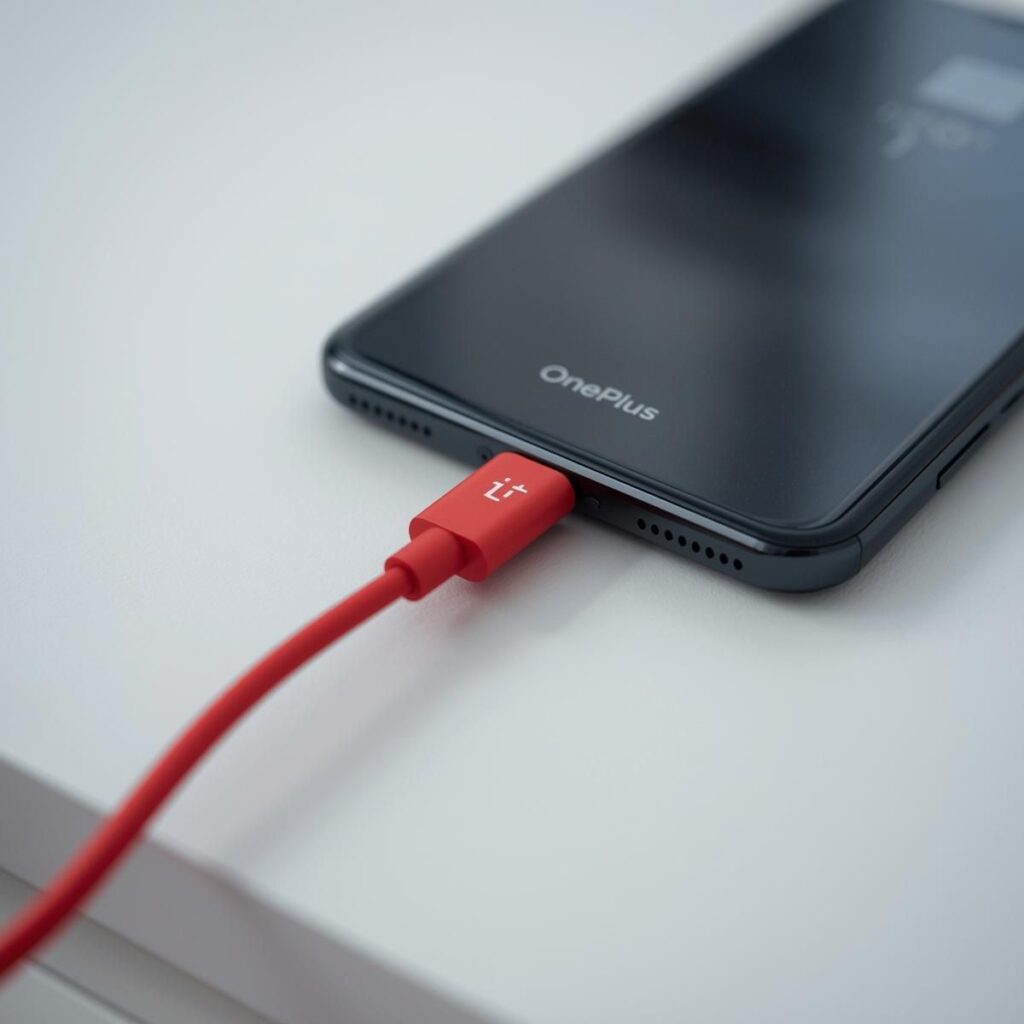
Here’s where I start to have some gripes. The OnePlus 13R supports 55W SUPERVOOC charging out of the box, with the ability to hit 80W if you buy a compatible charger separately. That’s fine. It’s perfectly adequate. But when the OnePlus 13 sitting right next to it on the shelf supports 100W wired charging and wireless charging on top of that, the 13R feels like it’s being held back on purpose.
For a brand that built its reputation on absurdly fast charging speeds, 55W in 2025 feels conservative. The 6000mAh battery is fantastic and easily gets me through a full day (often stretching into a second day with moderate use), so it’s not like I’m constantly reaching for the charger. But when I do need to top up, I notice the difference compared to other OnePlus devices I’ve used. No wireless charging at all is also a bummer at this price, though I get that something has to give to hit the $599 mark.
The Bootloader Situation
As someone who appreciates the freedom to run whatever software I want on hardware I own, OnePlus has historically been one of the better options. Unlocking the bootloader is straightforward enough, and there’s already some custom ROM development happening around the 13R with projects like LineageOS. But here’s the thing: once you unlock that bootloader and flash a custom ROM, relocking it is a whole ordeal. You can’t just flash LineageOS or GrapheneOS (if it were supported) and then lock everything back down for a clean, secure setup. The inability to relock the bootloader with a non-stock ROM installed means you’re left choosing between custom software freedom and the security benefits of a locked bootloader. For someone who values both privacy-focused ROMs and device security, that’s a frustrating compromise. You can use a pixel for this but I dislike that you have to buy a Google device to degoogle.
The AI Push Is Getting Old
OxygenOS 15 comes loaded with AI features, and OnePlus is not shy about making sure you know it. AI-assisted photo editing, AI-powered system optimization, AI this, AI that. Some of it is genuinely useful in the background, but the aggressive marketing of AI as a headline feature feels tired at this point. Every phone manufacturer is doing this, and most of the features are either things the phone should have been doing anyway or gimmicks that you’ll try once and forget about. I’d rather OnePlus spent that energy on refining the core experience than slapping an AI label on everything. The features that work well would work just as well without the branding. Let the software speak for itself.
The Bottom Line
The OnePlus 13R is a good phone. A really good phone, actually. The performance punches well above its price point, the screen is excellent, and the battery life is outstanding. The charging speed and lack of wireless charging are noticeable compromises, the bootloader situation is a miss for power users, and the AI marketing is eye-roll inducing. But none of those things change the fact that this is one of the best phones you can buy for $599 in 2026. If you’re looking for flagship-level daily performance without flagship pricing, the 13R delivers where it counts.