I fix computers for a living. Cars are not my thing.
I drive a 2014 Chevy Cruze. It’s not the best car I’ve ever owned, but it runs, and I’d like to keep it that way without paying a shop every time something breaks. So when it started acting up, I decided to try fixing it myself first. If I can troubleshoot a server that won’t boot, maybe I can troubleshoot an engine that won’t idle.
It ended up being a failed PCV system, and I fixed it for under $100.
The symptoms
It started with a rough idle. Fine while driving, but sitting at a red light I could feel the engine running uneven. Then it started stalling now and then.
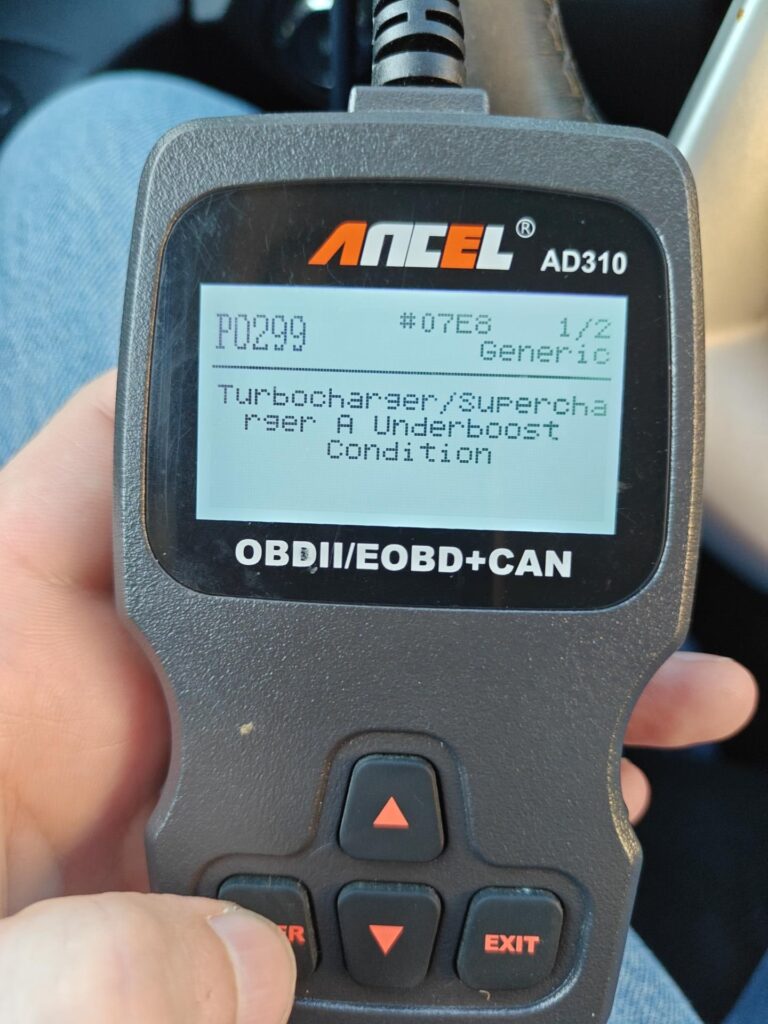
I plugged in an OBD-II scanner and got three codes:
- P0171 System too lean (bank 1). Too much air, not enough fuel.
- P0420 Catalytic converter efficiency below threshold.
- P0299 Turbo underboost.
P0171 stood out because a vacuum leak can cause it. A little searching turned up that PCV failures are really common on the 1.4L turbo Cruze. That gave me a place to start.
Finding the problem
Same rule as IT: don’t start throwing parts at it until you know what’s actually wrong.
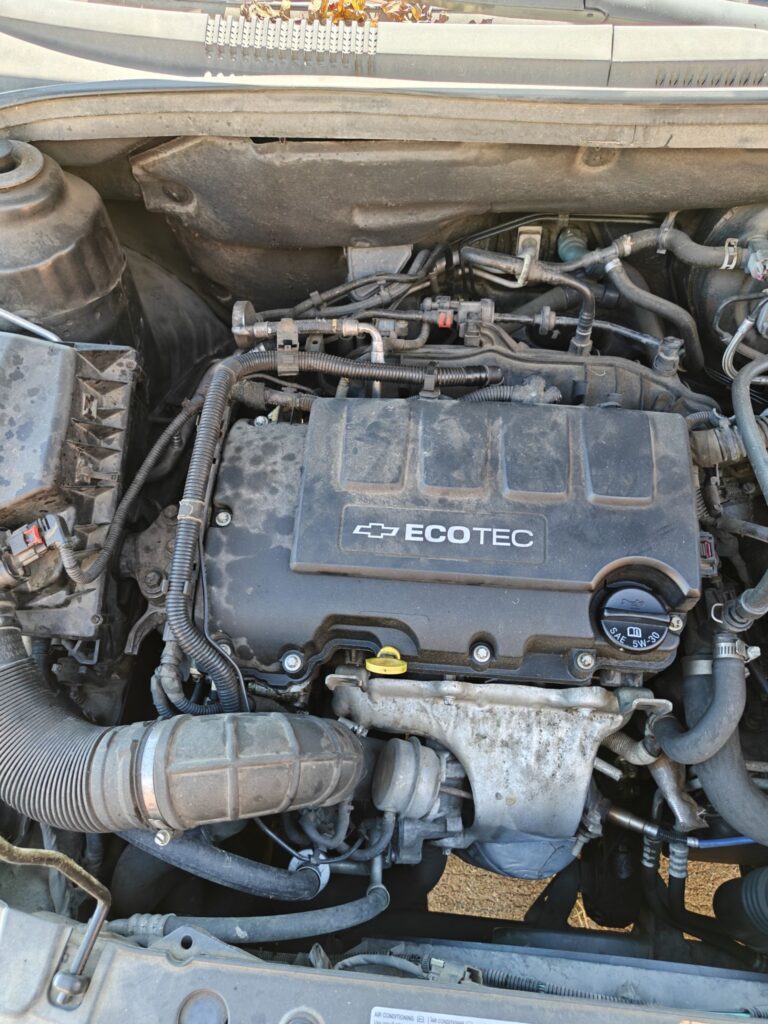
The PCV (positive crankcase ventilation) system takes the gases that slip past the piston rings into the crankcase and routes them back into the engine to burn. On this engine there’s a small check valve in the intake manifold that’s part of that, and it’s known to fail or just go missing. When it does, you get vacuum leaks, bad crankcase pressure, a rough idle and codes.
I checked the valve cover, the hoses and the intake manifold. The check valve was gone. That lined up with everything I’d read. It didn’t explain every code, but it explained the rough idle and the lean code.
The fix
One option was replacing the whole intake manifold. That’s a lot of money for one small failed part, especially with shop labor on top.
The other option was the Cruze PCV Fix Kit. It replaces the failed check valve without swapping the manifold. I’d rather fix the actual broken part than replace a big assembly, so I bought the kit for $81.98.
Before I started
I read the instructions and watched a few install videos before touching anything. Same as working on a system I don’t know: understand it first, then make changes.
A few things came up:
- Brake cleaner. The instructions say non-chlorinated. I’d already bought chlorinated. They are not the same thing, and chlorinated has its own safety issues, so follow what the kit says.
- JB Weld cure time. The epoxy has to fully cure. I gave it a full 24 hours instead of rushing it.
- A smaller screwdriver. You need a screwdriver to set the plug in place, and nothing I owned fit in the space. I had to wait until I got one that did. That was another $7.
The install
I got to the spot where the original valve was, cleaned it really well so the epoxy would stick, and set the new part with JB Weld. Getting it positioned right without getting epoxy where it didn’t belong was the part I was most nervous about.
After 24 hours of cure time, and once I had a screwdriver small enough, I used it to put the plug in place. Then I connected the hoses and put the clamps on. I noticed a small gap at one of the connections and wasn’t sure if that was normal or if vacuum would eventually pull the hose loose. I spent some time checking how the hoses seated and where the clamps sat before I was happy with it. Probably a two minute job for a mechanic. It took me a lot longer.
Starting it up
Before starting it I checked the oil. During the repair I found it was really low and added some, so I wanted to make sure I hadn’t overfilled it. It was in range.
Started it up and the rough idle was gone. That felt good.
I cleared the codes and the check engine light went off, but the scanner still showed P0171 right after. So I’m not calling it fully fixed yet. The car has to drive through its own checks before you really know. I’ll keep watching it.
What it cost
| Item | Cost |
|---|---|
| Cruze PCV Fix Kit | $81.98 |
| Brake cleaner | $7.00 |
| Small screwdriver | $7.00 |
| Total | $95.98 |
That’s a lot less than a shop would charge for a manifold replacement.
What I learned
Car repair isn’t beyond me. It’s just not what I normally do. New tools, new terms, and I had to learn what a PCV system even does before I could fix it.
Next time I’d make a full tool and supply list before starting, and take more pictures along the way.
The biggest thing is how much the troubleshooting carried over. A computer that won’t boot or an engine that won’t idle, the process is the same. Figure out the symptoms, research the causes, test your theory, verify it worked.
Would I recommend the kit? If you have the 1.4L turbo and you’ve confirmed the check valve is actually bad, yes. Read the instructions first and be honest about what you’re comfortable doing. The P0420 and P0299 codes are probably a separate problem, so don’t expect this kit to fix everything.
I’m not a mechanic after one repair. But I know more than I did, and the car idles smooth again for $95.98.
I’m not a professional mechanic. This is just what I did on my own car. Make sure the kit fits your engine, follow the manufacturer’s instructions, and talk to a mechanic if you’re not sure.